Overcoming obstacles in drug substance and fill finish manufacturing partnerships
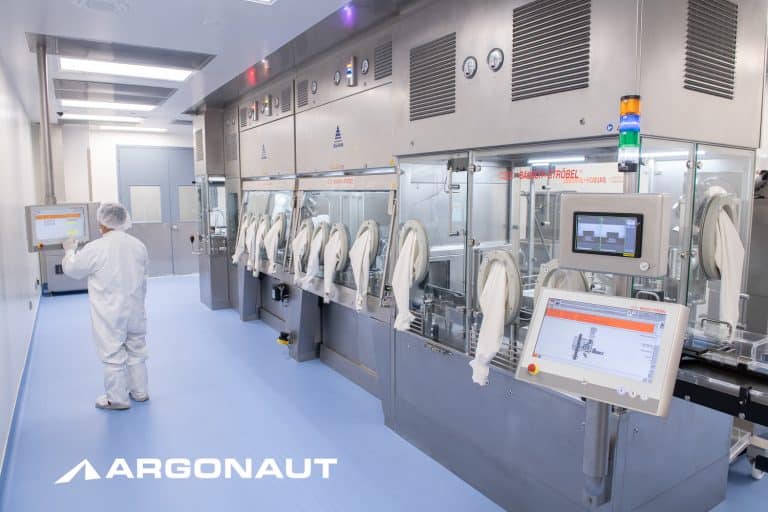
In a recent Outsource Pharma webinar, Steve Folio (VP of Quality & Regulatory Affairs at Argonaut Manufacturing Services) and Peter Carbone (COO at KBI Biopharma) dug into several drug product manufacturing challenges that appear during drug substance to drug product transfer. They share how they work together to keep drug substance (DS) and drug product fill finish (DP) teams aligned. KBI provides the drug substance work and Argonaut provides fill finish manufacturing.
Below, we list five of the key drug product manufacturing challenges they discussed and how KBI and Argonaut partnered to keep programs on the critical path.
Challenge 1: DS to DP handoffs can slow programs
Handoffs are where good plans go to die, especially during drug substance to drug product transfer. When DS and DP teams operate independently, drug substance often cannot move to the DP site until documentation is finalized, analytical testing is completed and results are reviewed, and the DS quality teams confirm batch approval. During that time, DP teams may be waiting to begin material release, analytical method development, and batch record finalization before fill finish manufacturing can commence.
Poor coordination can also trigger rework. Analytical data may need to be reformatted or re-reviewed. Quality documentation may need reconciliation between systems, and manufacturing plans may need to be revised if the DS characteristics differ from what the DP process expected.
Argonaut and KBI reduce these risks by operating DS and DP as a coordinated workflow rather than two separate programs. Argonaut and KBI have audited each other and structured their logistics so Argonaut can receive DS material under quarantine and start fill / finish preparation work early.
This results in fewer bottlenecks in the drug substance to drug product transfer process, less rework, and a smoother transition from substance manufacturing to sterile fill finish manufacturing.
Challenge 2: Quality systems are not aligned between partners
When DS and DP manufacturers operate under separate quality systems, gaps often emerge across audits, governance, and issue management. If these differences are not addressed early, programs can experience rework, delayed timelines, or slow resolution of quality events during fill finish manufacturing. Deviations, CAPAs, and change controls in particular can fracture programs if responsibilities, notification timelines, and decision authority are unclear across organizations.
Argonaut and KBI addressed this by aligning quality systems at the outset of their partnership. The teams compared their quality systems, closed gaps, and mutually audited one another to ensure compatibility before critical timelines begin. Quality agreements establish shared governance, including predefined timelines for managing deviations, CAPAs, and change controls. Additionally, information and data flow both upstream and downstream between DS and DP teams so decisions are made using the same data and risk assessments.
This approach works because both organizations share the same quality principles and regulatory expectations, enabling them to operate as a single quality system rather than two separate ones.
“We’ve aligned the quality systems to ensure that we can move with speed without compromising quality.” — Steve Folio
Challenge 3: Each team has a different goal
When DS and DP manufacturers operate independently, each tends to focus only on the portion of the process they were hired to perform, rather than the sponsor’s overall program goals. A DS manufacturer may focus solely on achieving the required drug substance specifications without considering how those decisions affect downstream DP manufacturing. Likewise, if schedules shift on the DS side, a DP manufacturer may respond with expedite fees or conversely- delay the fill date, since fill finish manufacturing dates are typically booked three to six months in advance.
When DS and DP teams are not aligned around a shared objective, these disconnects can slow timelines and create unnecessary friction for sponsors during the drug substance to drug product transfer process. Through their partnership, Argonaut and KBI coordinate planning, communication, and scheduling across both stages of manufacturing, so programs stay aligned and sponsors receive a high-quality product on schedule.
“The teams are always working to find ways to optimize timelines and logistics” — Peter Carbone
“With this partnership, we’re in constant contact with KBI, so we know when the drug substance will be delivered, and we can hold those dates firm. If there’s a slip in the schedule, we can pivot and support KBI by moving some fills around for them” — Steve Folio
Challenge 4: Information sharing is late or incomplete across teams
Late or incomplete information sharing creates misalignment between DS and DP teams and turns routine decisions into rework. Argonaut and KBI address this by building timely, open data sharing into the partnership governance. Updates move upstream and downstream so both sides are aligned as one team that can make risk-based decisions with the same facts. Shared visibility helps prevent drug product manufacturing challenges caused by late handoffs and avoids surprises during the drug substance to drug product transfer.
“There’s full sharing upstream and downstream from the drug substance to the drug product team.” — Peter Carbone
Challenge 5: Too many people manage the project
Working with several partners can mean too many cooks in the kitchen, and that’s especially true in drug substance to drug product transfer. When multiple organizations and project managers are involved, ownership can become unclear, communication can break down, and timelines can slip.
Argonaut and KBI address this by assigning a single dedicated project manager across both DS and DP manufacturing. This creates integrated program management, aligned timelines, and a true “one team” approach, while giving the sponsor a single, clear point of contact for the drug substance to drug product transfer and fill finish manufacturing activities.
“These project managers are the glue, ensuring that the communications flow between both organizations.” — Peter Carbone
What to take back to your team about drug substance to drug product transfer
Having dedicated drug substance and drug product manufacturers can be an advantage as each organization brings deep expertise in its respective field. The challenge is ensuring these experts operate as one coordinated team rather than two disconnected vendors.
If you are evaluating DS and DP partners, ask them 1) how they manage the drug substance to drug product transfer process and 2) how they overcome these drug product manufacturing challenges. Use the checklist below to evaluate partnership alignment.
Argonaut and KBI address these friction points by aligning quality systems, coordinating schedules, and establishing shared governance, data exchange, a single point of program management, and common program goals. This coordination results in fewer surprises and creates a faster path to critical milestones such as IND submission, stability timepoints, and commercial launch.
Teams that are evaluating fill finish outsourcing or selecting a fill finish CDMO should ensure their partners can manage the drug substance to drug product transfer with aligned quality systems, communication, and program management.
To find out more on how your team can get the best of both DS and DP, contact us.
Checklist for Assessing Drug Substance-Drug Product Manufacturers
Use this checklist to assess whether a DS partner and a fill finish CDMO can execute a smooth drug substance to drug product transfer and avoid common drug product manufacturing challenges during fill finish manufacturing.
| Evaluation Area | What to Ask or Verify | Yes/No/Notes |
| Aligned quality systems | Are DS and DP quality systems compared and harmonized with no known gaps in procedures, documentation, or regulatory expectations? | |
| Mutual Audit Completion | Have both partners completed mutual audits of each other’s facilities and quality systems to identify and close compliance gaps before program start? | |
| Deviation, CAPA, & Change Control Alignment | Are deviation handling, CAPA processes, and change control procedures aligned with predefined notification and resolution timelines across both organizations? | |
| Timely Data Sharing | Is there a defined system for timely upstream and downstream data sharing (analytical data, batch records, quality documentation) between DS and DP teams? | |
| Ownership for Each Process | Does each critical function (quality, analytical, manufacturing, logistics) have a clearly identified lead responsible for DS–DP coordination? | |
| Dedicated Project Manager | Is there one dedicated project manager overseeing the entire drug substance to drug product transfer and fill finish manufacturing program? | |
| Track Record | Have the partners successfully executed prior programs together, demonstrating experience managing DS–DP transitions and fill finish outsourcing programs? |
About the KBI-Argonaut Partnership
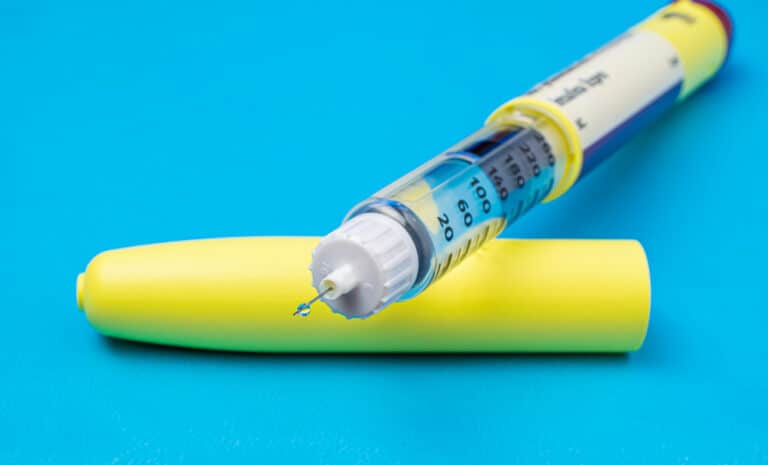
KBI supports customers from early development through drug substance manufacturing, including cell line development, process development, and analytical development to prepare material for a controlled handoff into fill-finish. Argonaut provides aseptic fill-finish of drug product in vials, cartridges, and syringes. The partnership is built for sponsors and program owners who want a streamlined end-to-end path without managing the handoff themselves. KBI covers the upstream scope. Argonaut covers fill-finish. Together, they aim to operate as an extension of the customer’s CMC (chemistry, manufacturing, and controls) and quality teams, with aligned quality systems, governance, and communication.
Watch the webinar here: